Client Stories · Alaska · Family of seven
Accessible Travel: Thoughtful Planning at Every Step
Travel should feel exciting. But for someone traveling with mobility or other accessibility needs, it can also come with an entirely different layer of questions.
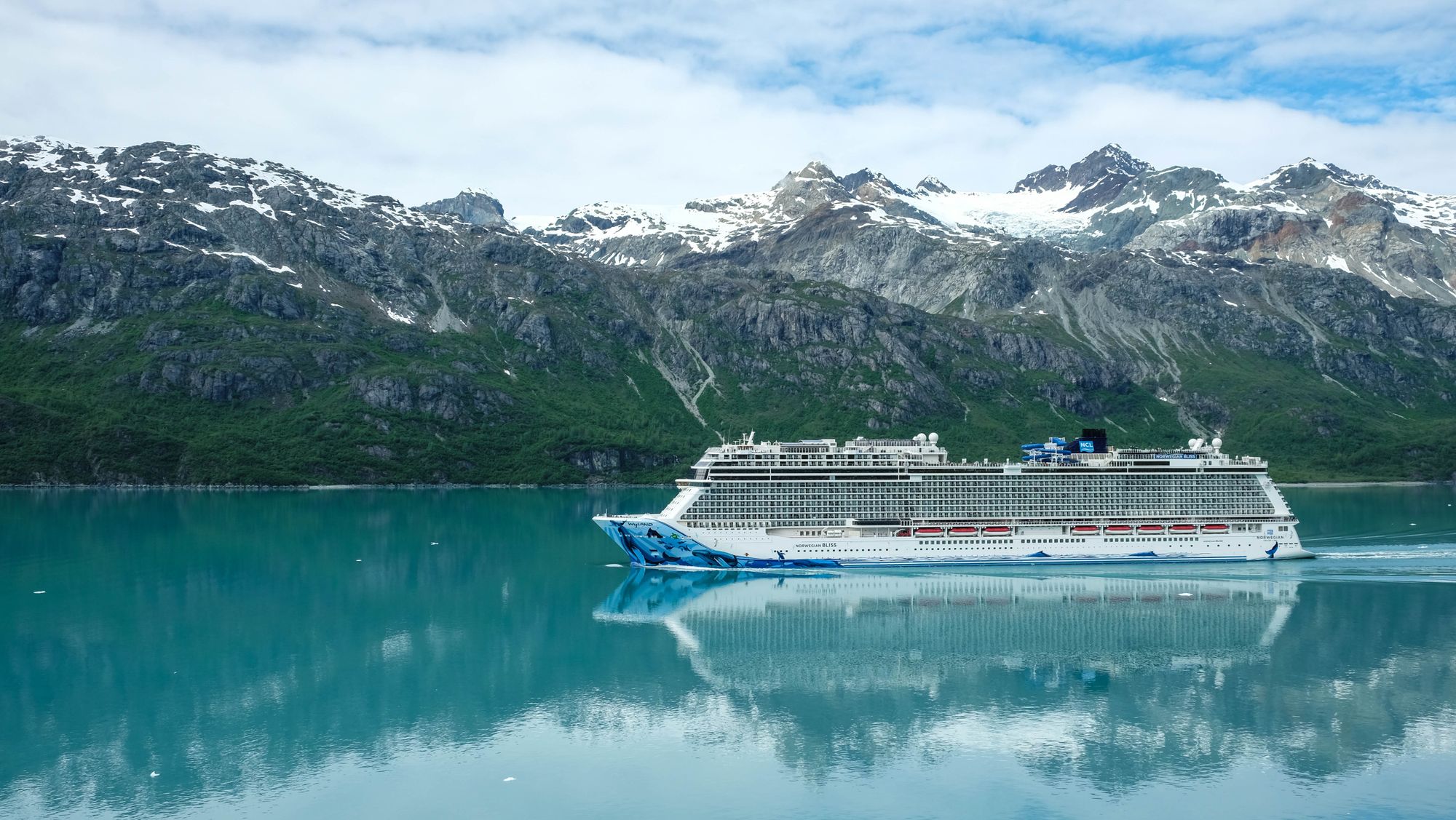
Will I be able to navigate the airport comfortably?
Will the room actually meet my needs?
How far will I need to walk?
Can I participate in the excursions?
What happens when we get to port?
Will I have the equipment I need when I arrive?
These are things many travelers never have to think about. But for someone with accessibility needs, they can determine whether a trip feels exciting or overwhelming.
That is where thoughtful travel planning can make a meaningful difference.
01
What is accessible travel?
Accessible travel is travel designed to make destinations, transportation, accommodations, activities, and experiences more usable and comfortable for people with different accessibility needs.
Those needs can look very different from traveler to traveler. Someone may have limited mobility, use a wheelchair or scooter, need additional space while flying, have sensory or cognitive considerations, or simply need an itinerary built around their physical comfort and stamina.
There isn't one universal version of an “accessible trip.” The most important part of planning is understanding the individual traveler.
02 · The case study
Planning an accessible Alaska cruise for a family of seven
I recently had the opportunity to plan an Alaska cruise for a group of seven travelers, two of whom have limited mobility.
From our earliest conversations, accessibility was one of their biggest concerns. They wanted to travel and experience Alaska together, but there was understandable anxiety around how much walking would be involved, navigating airports and ports, getting around the ship, and finding activities everyone could enjoy.
So instead of treating accessibility as one piece of the itinerary, we considered it at every stage of the trip.
Why a cruise
One of the reasons we chose a cruise was the simplicity it can offer once travelers are onboard. Rather than changing hotels, repacking luggage, and arranging transportation from destination to destination, their stateroom becomes their home base for the trip.
From there, we worked through the details.
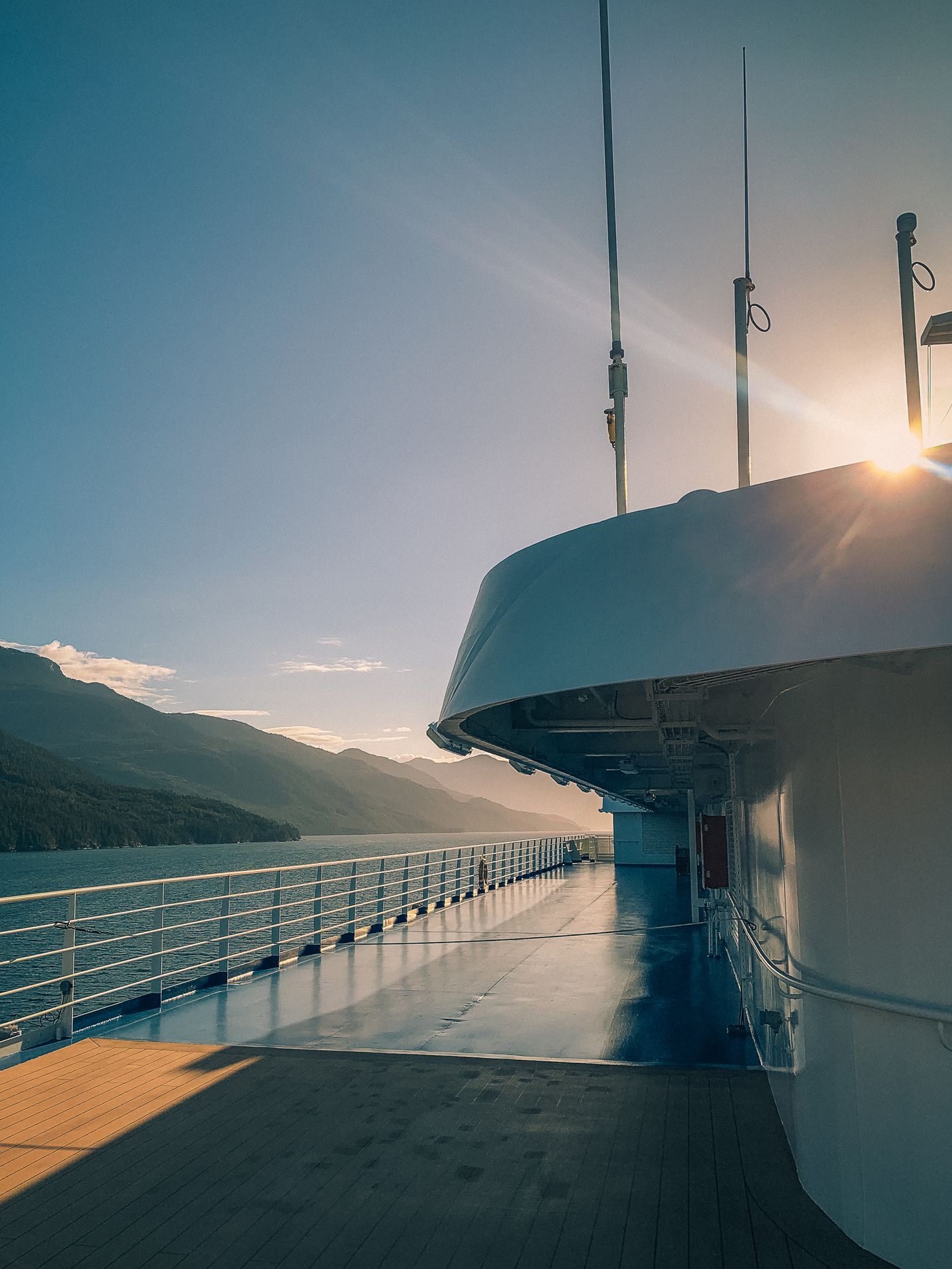
Accessible staterooms
I helped secure accessible staterooms and worked through the cruise line's accessibility process and mobility documentation with the travelers.
Scooters at the terminal
Because walking longer distances can be difficult, I also researched mobility equipment vendors and arranged for scooters that can be delivered directly to the cruise terminal. Instead of figuring out transportation for equipment or hoping something is available when they arrive, their scooters can be waiting for them when they begin their cruise.
Vendor: Scootaround.
How the ship reaches each port
The itinerary itself mattered, too. We looked carefully at how the ship accesses each port, including whether tendering would be required. Something as seemingly small as how a ship gets passengers from the vessel to shore can have a major impact on someone with limited mobility.
Excursions
Now, as we plan their Alaska excursions, I am researching activities not simply based on what is popular, but on what they want to experience and how comfortably they can experience it.
I'm partnering with Project Expedition to look at private tours for the group, planned with accessibility in mind.
Flights
Accessibility also came into play before they ever reached the cruise.
When booking their flights, I looked at the aircraft layout and their seating needs. By strategically seating members of the group together, we were able to meet their space requirements while only purchasing one additional seat rather than two, helping make the flight more comfortable without unnecessarily increasing the cost of the trip.
Private transfers
Once they landed, I booked private transportation from the airport to their hotel, and from the hotel to the cruise port. No shuttles to wait for, no long walks to a pickup point, and room for the whole group to travel together.
Vendors: Blacklane and Daytrip.
03
The value isn't just in the reservation
This is one of the reasons I believe a travel consultant can be especially valuable for travelers with accessibility needs.
It isn't simply about making a hotel or cruise reservation.
It's asking:
How will you get through the airport?
How much walking does this itinerary require?
What happens when you arrive at the port?
Can mobility equipment be delivered?
Does the excursion transportation accommodate your needs?
Is there a backup plan if something doesn't work?
Are the suppliers aware of the accommodations you need before you arrive?
When those questions are answered in advance, travelers don't have to spend the entire trip wondering what obstacle might come next.
They can actually enjoy being there.
04
Accessible travel should still feel like travel
Someone's accessibility needs shouldn't become the defining feature of their vacation.
The goal isn't to build a trip around everything someone can't do. It's to understand their needs well enough to create a trip filled with everything they can do.
Sometimes that requires different transportation. Sometimes it means a carefully selected room. Sometimes it means renting mobility equipment, choosing a different excursion, or simply building more breathing room into the itinerary.
And often, it means having someone behind the scenes asking questions the traveler shouldn't have to spend their vacation worrying about.
At Atlas & Isle, thoughtful travel planning means considering the whole traveler, not simply the destination.
Because everyone deserves the opportunity to explore the world with confidence.
Thoughtful trips planned with care.
Start planning your trip